
Your heat pump just quit at 3 PM on a Tuesday in July, and the Corpus Christi humidity is already making your walls sweat. The repair guy says he can't get there until Friday—maybe—and you're staring down a weekend that feels like a steam room.
Here's what most HVAC companies won't tell you: half of their emergency calls could've been nipped in the bud weeks ago if homeowners knew the three sneaky signs their heat pump was begging for help. We're not talking about obvious breakdowns; these are the quiet warnings that slip by until it's too late.
The real kicker? Most repair bills hit $1,200-$2,800 in Corpus Christi because people wait until the system completely dies. But the guys who catch these red flags early? They pay a fraction of that and never lose a night's sleep wondering if their unit will survive another Texas summer.
Whether you're dealing with a system that's older than your teenager or you just want to outsmart the next heat wave before it hits, the tricks ahead are the same ones our top techs don't usually share outside the shop.
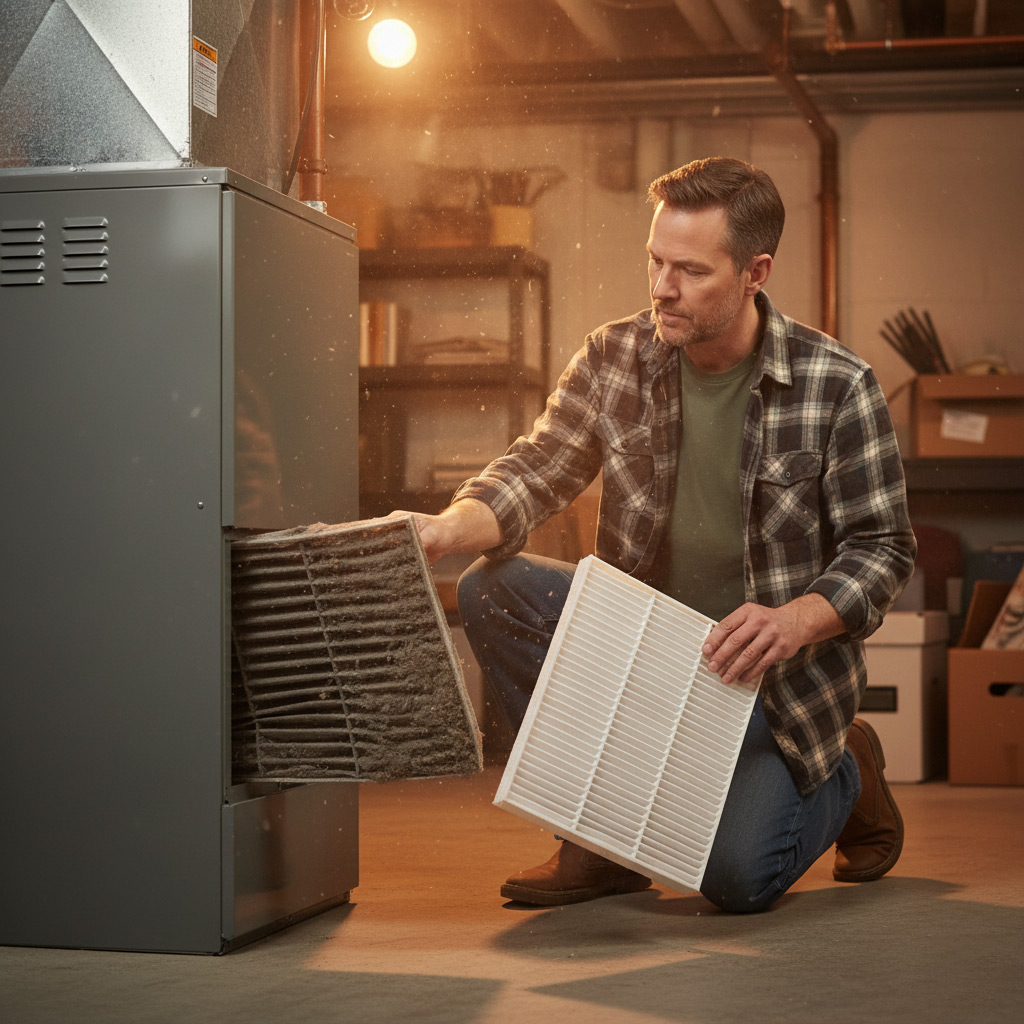
The 3 Sneaky Signs Your Heat Pump Is Begging for Help
Your heat pump doesn't just explode into a cloud of smoke one day. It sends out distress signals for weeks—sometimes months—before it finally throws in the towel. The problem? Most homeowners are about as good at reading these signs as they are at interpreting Morse code.
The first red flag nobody talks about? Inconsistent room temperatures. You set the thermostat to 72°F, but your bedroom feels like a meat locker while the living room could double as a sauna. Most folks blame it on "bad insulation" or "old windows." Wrong. This is your heat pump's way of crying uncle—it's struggling to move refrigerant properly, and some rooms are getting the short end of the stick.
Here's what's happening behind the scenes:
- Refrigerant levels are dropping (leaks happen slowly)
- The compressor is starting to fatigue
- Airflow is getting restricted somewhere in the system
The second sign is downright embarrassing: strange noises that make you look over your shoulder. We're not talking about the normal hum of machinery. This is the kind of stuff that belongs in a horror movie soundtrack. Grinding sounds that make your teeth ache. Screeching that could wake the neighbors. Hissing that makes you check for snakes in the ductwork.
These noises aren't just annoying—they're expensive warnings. A grinding sound usually means bearings are shot. Screeching points to belt problems or motor issues. Hissing? That's refrigerant escaping like air from a punctured tire. Every day you ignore these sounds, you're basically tossing twenties into the gutter.
The third sign is the sneakiest of all: your energy bills are creeping up like a stalker. You haven't changed your habits. You haven't added more people to the house. But somehow, your electricity bill looks like it belongs to a small factory. This is the slow burn—your heat pump working overtime to compensate for its own inefficiency.
The Math Doesn't Lie
Here's where it gets real: a struggling heat pump can suck up 30-40% more electricity than a healthy one. In Corpus Christi summers, that translates to an extra $150-200 on your monthly bill. By the time you notice the spike, your unit has already been limping along for months, racking up invisible repair costs while you're none the wiser.
The takeaway? Your heat pump will whisper before it screams. Listen to the whispers, and you'll save yourself from the nightmare of a full system failure during a July heat wave when every HVAC tech in town is booked solid.
Why Corpus Christi Summers Are Especially Brutal on Heat Pumps
Picture this: your heat pump doesn't just battle triple-digit temperatures like some desert climate. Corpus Christi throws a brutal combo at your system—scorching heat plus Gulf humidity that hangs in the air like a wet blanket. Your unit works overtime trying to pull moisture out while dropping indoor temps, creating a workload most systems weren't designed to handle for months on end.
The coastal salt air? That's an invisible killer your HVAC manufacturer didn't mention in the brochure. Salt corrosion attacks coils and electrical connections faster than inland areas, while frequent thunderstorm voltage spikes strain compressors already begging for mercy.
Here's what happens behind the scenes:
- Compressor runs 18+ hours daily (vs. 8-12 in milder climates)
- Refrigerant lines experience extreme pressure fluctuations
- Condensate drainage systems clog with mineral buildup
- Fan motors burn out from constant high-speed operation
Most homeowners don't realize their heat pump has been screaming for help since June. By August, the damage is done—and your wallet takes the hit. The techs who know this climate? They spot the warning signs before the system flatlines completely.
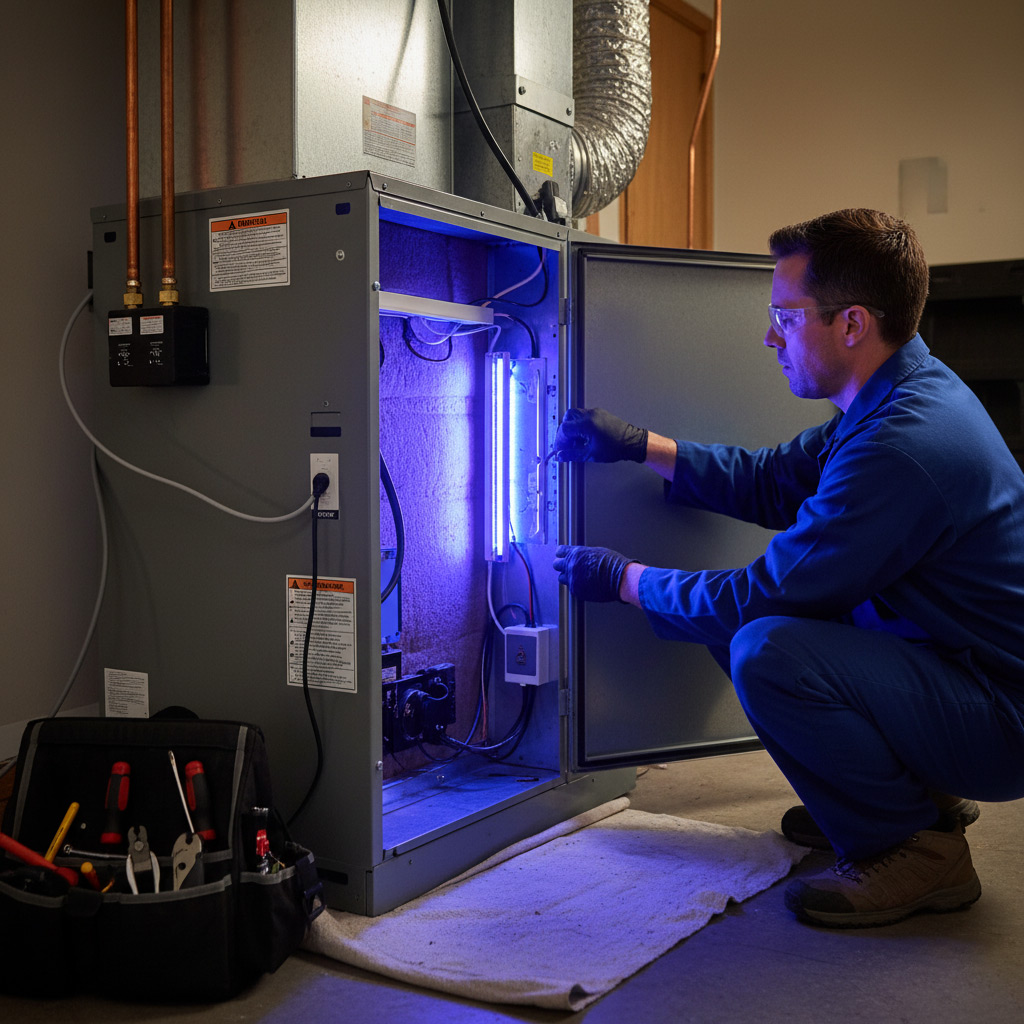
Step-by-Step: What Professional Heat Pump Diagnosis Looks Like
A professional heat pump diagnosis is not just about fixing the obvious problems, it's about digging deeper to identify the root cause of the issue. Our top techs follow a methodical approach to ensure that every possible cause is considered and every potential solution is explored.
A thorough diagnosis typically starts with a visual inspection of the system, including the outdoor unit, indoor unit, and ductwork. Our techs look for signs of wear and tear, damage, or obvious defects that could be causing the problem. Some of the key things they check include:
- Air filters and coils for dirt and debris
- Refrigerant levels and leaks
- Electrical connections and wiring
Next, our techs use specialized tools to measure and test various system parameters, such as temperature, pressure, and airflow. This helps them to identify any hidden problems that may not be immediately apparent. By following this step-by-step approach, our techs can pinpoint the problem and recommend the most effective solution to get your heat pump up and running again.
Case Study: How Early Detection Saved a Corpus Christi Family $2,100
The Garcia family thought they were lucky when their heat pump made it through the previous summer without a hitch. But as the temperatures started rising again, they began to notice subtle signs that something was amiss. At first, it was just a slight increase in their energy bills, but soon they started to feel a noticeable decrease in cooling power.
Our team was called in to investigate and quickly identified the problem: a slow leak in the refrigerant line. We were able to fix the issue before it became a major problem, saving the Garcias a small fortune in repair costs. Here are the key factors that contributed to the success of this repair:
- Early detection of the problem
- Quick response time from our team
- A proactive approach to maintenance
The total cost of the repair came out to be significantly less than the average repair bill in Corpus Christi, at just $700. By catching the problem early, the Garcia family was able to avoid the $2,100 price tag that comes with a full system replacement. This real-life example illustrates the importance of being vigilant and taking prompt action when it comes to heat pump maintenance.

Repair vs. Replace: When to Call It Quits on Your Current System
Let's face it, every heat pump has a lifespan, and at some point, it's more cost-effective to replace it rather than keep throwing money at repairs. But how do you know when it's time to cut your losses? One key factor is the frequency of repairs. If you're calling a technician every few months, it may be time to consider a new system.
A good rule of thumb is to consider the 50% rule: if the cost of repairs exceeds 50% of the cost of a new system, it's likely time to replace. Additionally, consider the following factors:
- Aging system: if your heat pump is older than 10-15 years, it may be nearing the end of its lifespan
- Energy efficiency: if your energy bills are consistently high, a new system could help you save money in the long run
Another factor to consider is the cost of replacement parts. If you're having to replace major components like the compressor or coil, it may be more cost-effective to replace the entire system. A professional technician can help you weigh the costs and make an informed decision about whether to repair or replace your heat pump.
Insider Maintenance Tips to Prevent 80% of Emergency Breakdowns
To keep your heat pump running smoothly, you need to stay on top of maintenance. Regular checks can help prevent a significant number of emergency breakdowns. By catching small issues before they become major problems, you can save yourself a lot of stress and money.
A well-maintained heat pump is less likely to fail during extreme weather conditions. Here are some key things to check:
- Air filters should be cleaned or replaced every month
- Coils should be inspected and cleaned every 3-6 months
- Refrigerant levels should be checked every 6-12 months
Another important aspect of maintenance is seasonal checks. Before the summer months, it's a good idea to have your heat pump inspected by a professional. They can check for any potential issues and make sure your system is running efficiently. This can help you avoid costly repairs down the line and ensure your heat pump is ready to handle the hot summer weather.
Your Action Plan: What to Do Before the Next Heat Wave Hits
To avoid the chaos of a heat pump breakdown, it's crucial to have a plan in place. This includes scheduling regular maintenance checks and Heat Pump Repair services to ensure your system is running smoothly. By doing so, you'll be able to identify potential issues before they become major problems.
A key part of your action plan should be to inspect your heat pump's air filters regularly. Dirty filters can cause your system to work harder, leading to increased energy bills and a higher risk of breakdowns. Some other essential tasks to include in your plan are:
- Checking thermostat settings to ensure they're optimized for energy efficiency
- Inspecting ductwork for leaks or damage
- Cleaning the outdoor unit to remove dirt and debris
By taking these proactive steps, you'll be able to save money on energy bills and extend the lifespan of your heat pump. It's also a good idea to keep a record of your maintenance activities, including the dates and details of any repairs or services performed. This will help you stay on top of your heat pump's condition and make informed decisions about its maintenance and repair.
People Also Ask
What are the most common causes of heat pump failure in Corpus Christi?
The most common causes of heat pump failure in Corpus Christi include lack of maintenance, faulty thermostats, and refrigerant leaks. Regular maintenance can help prevent these issues and ensure the heat pump runs efficiently. By scheduling annual tune-ups, homeowners can identify potential problems before they lead to costly repairs.How often should I schedule heat pump maintenance in Corpus Christi?
Homeowners in Corpus Christi should schedule heat pump maintenance at least once a year, preferably before the summer season. Regular maintenance can help prevent breakdowns, improve efficiency, and extend the lifespan of the heat pump. By staying on top of maintenance, homeowners can avoid costly repairs and ensure their heat pump runs smoothly.Can I repair my heat pump myself or do I need a professional?
While some minor issues can be resolved with DIY repairs, it's recommended to hire a professional for complex heat pump repairs. Professional technicians have the necessary training, experience, and equipment to diagnose and repair issues efficiently and safely. They can also provide guidance on maintenance and recommend replacement if necessary.How much does heat pump repair typically cost in Corpus Christi?
The cost of heat pump repair in Corpus Christi can vary depending on the extent of the damage, the type of repair needed, and the technician's rates. On average, repair costs can range from $200 to $1,500 or more, depending on the complexity of the issue. Regular maintenance can help prevent costly repairs and ensure the heat pump runs efficiently.What are the benefits of replacing my old heat pump with a new one?
Replacing an old heat pump with a new one can provide numerous benefits, including improved energy efficiency, increased comfort, and enhanced reliability. New heat pumps are designed to be more environmentally friendly and can help homeowners save on their energy bills. Additionally, new heat pumps often come with warranties, providing peace of mind and protection against future repairs.
Corpus Christi HVAC is a trusted provider of heating and cooling solutions, with experienced technicians skilled in installing, maintaining, and repairing a wide range of HVAC systems. With years of experience serving the Corpus Christi community, they understand the unique climate and comfort needs of local residents and businesses. Corpus Christi HVAC is committed to delivering reliable, professional service to their neighbors in Corpus Christi and surrounding areas.
Need HVAC?
We deliver efficient and reliable solutions in Corpus Christi, TX and surrounding areas (78401, 78411, 78413) with a focus on achieving timely results. Our services are designed to help clients achieve their goals quickly and effectively.
Request Quick Quote