
What if I told you that most HVAC companies in Corpus Christi are hiding a dirty little secret that could be costing homeowners thousands? Here's the thing: while everyone focuses on the shiny new units and flashy ads, they're overlooking three critical mistakes that turn what should be a lifetime investment into a money pit.
The brutal truth is that our coastal climate creates a perfect storm of humidity, salt air corrosion, and temperature extremes that most systems simply weren't designed to handle. Your neighbors are replacing units every 8-10 years, but the smart money knows better.
Today, I'm going to pull back the curtain on what the big HVAC chains don't want you to know. We'll expose the installation shortcuts that lead to premature failure, reveal the hidden factors that separate a 20-year system from a 10-year disappointment, and give you the insider knowledge to make an informed decision.
The difference between sweating through another summer and enjoying reliable comfort comes down to understanding these industry secrets. Ready to discover what really matters when installing HVAC in Corpus Christi?
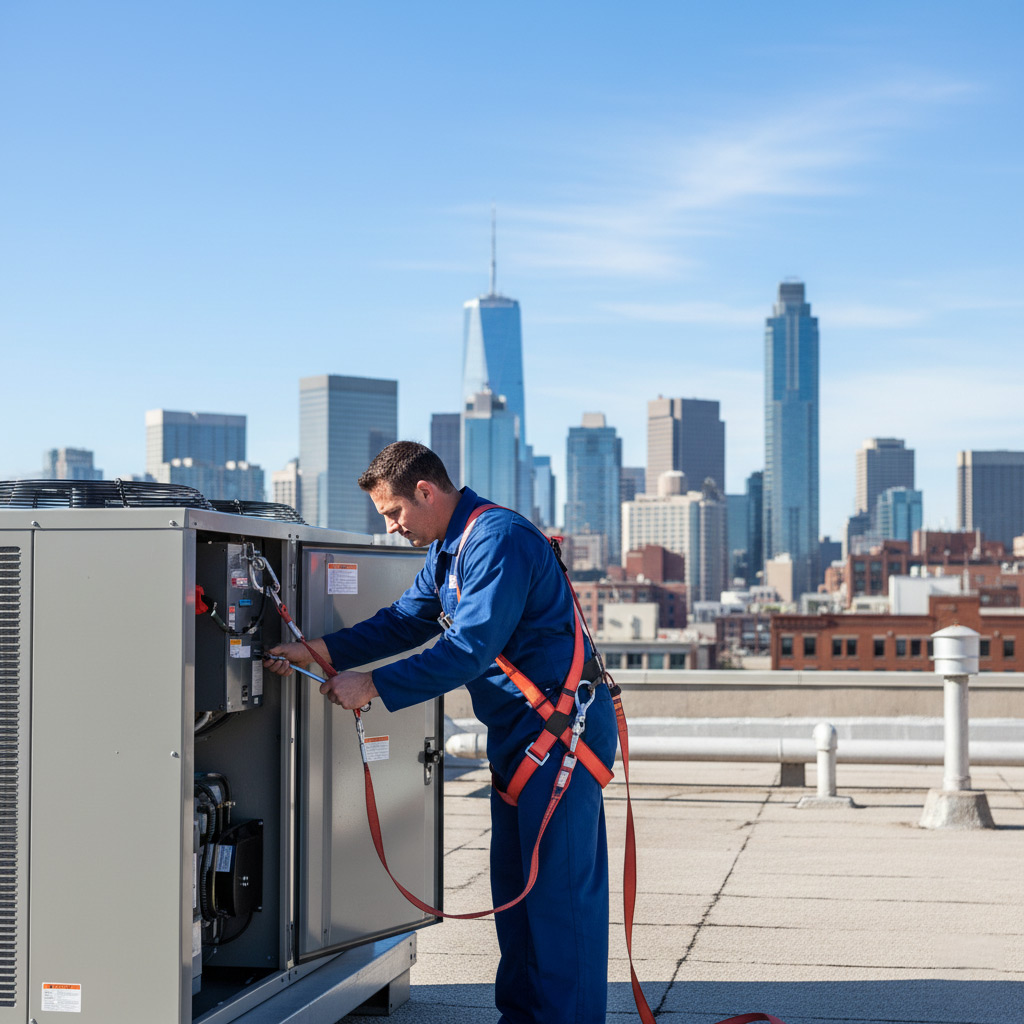
The Salt Air Assassin: Why Corpus Christi's Coastal Climate Demolishes Standard HVAC Systems
Picture this: your brand-new $12,000 HVAC system starts rattling like a tin can after just two years. The compressor fails. The coils look like they've been through a hurricane. Meanwhile, your neighbor's system purrs along flawlessly for a decade. What gives?
Here's the brutal reality most contractors won't tell you: Corpus Christi's coastal environment is a HVAC graveyard. Standard off-the-shelf systems are sitting ducks against our unique cocktail of destruction. Let me break down exactly why...
The Triple Threat That Kills HVAC Systems
Salt air corrosion doesn't just make your car rust faster. It infiltrates every nook and cranny of your HVAC system, attacking aluminum coils, copper tubing, and electrical components with relentless precision. Within 18 months, unprotected systems develop microscopic pits that become major leaks.
Standard systems come with basic protective coatings designed for inland climates. They're laughably inadequate for our coastal salt concentration, which averages 3-5 times higher than what manufacturers test for.
Then there's our humidity monster. While Phoenix folks worry about dry heat, we're battling 70-80% humidity that turns HVAC systems into breeding grounds for mold, mildew, and system-killing moisture damage. Your unit works overtime just to keep up.
The final knockout punch? Wild temperature swings that have your system playing catch-up daily. Winter mornings at 40°F followed by 70°F afternoons. Summer nights that never cool below 80°F. Standard systems weren't engineered for these conditions.
Here's what happens to unprotected systems:- Copper coils corrode and leak refrigerant within 3-5 years
- Electrical connections fail from salt buildup
- Compressors burn out from constant heavy loads
- Drain lines clog with algae and mold growth
Most homeowners don't realize they're getting systems designed for Dallas or Houston climates. Those inland systems might as well be a screen door on a submarine here in Corpus Christi.
The 3 Installation Mistakes That Turn Your $10,000 Investment Into Scrap Metal
Picture this: You drop ten grand on a shiny new HVAC system, only to watch it wheeze and die before its fifth birthday. What's crazy? The problem isn't the equipment—it's how it's slapped into your home. Most Corpus Christi homeowners never see these disasters coming until it's too late.
Mistake #1: Wrong Sizing (The Goldilocks Killer)
Too big or too small—either way, you lose. Contractors love pushing oversized units because they're faster to install and boost profit margins. Here's the gut punch: An oversized system short-cycles constantly, never runs long enough to dehumidify properly, and creates a humid, sticky mess that feels worse than no AC at all.
Too-small systems run nonstop, driving your electric bill through the roof while barely keeping up. In our coastal humidity, proper load calculations aren't optional—they're survival math. Any installer skipping Manual J calculations is gambling with your comfort and cash.
Mistake #2: Sloppy Ductwork Installation
Your HVAC system can be perfect, but if the ducts leak like a sieve, you're throwing money into the wind. I've seen $15,000 installations where 30% of conditioned air escapes through gaps, tears, and poorly sealed joints. The system strains to compensate, utilities spike, and rooms never reach set temperatures.
Worse yet, leaky return ducts pull unfiltered air from attics and crawlspaces. You're breathing dust, insulation particles, and mold spores. Professional duct sealing with mastic—not cheap tape—plus proper insulation is non-negotiable, especially in our salty, humid climate where moisture loves to party in ductwork.
Mistake #3: The Refrigerant Catastrophe
This one's technical but deadly. Improper refrigerant charging accounts for over 70% of early compressor failures in Corpus Christi. Here's why it matters: Your system needs an exact amount of refrigerant to operate efficiently. Too little, and the compressor overheats hunting for coolant. Too much, and liquid refrigerant floods back, destroying internal components.
Most installers slap in pre-charged lines without measuring, assuming factory specs are close enough. They're not. Temperature variations, line set length, and elevation changes all affect the magic number. Without subcooling or superheat measurements—using actual gauges, not guesswork—you're riding a time bomb.
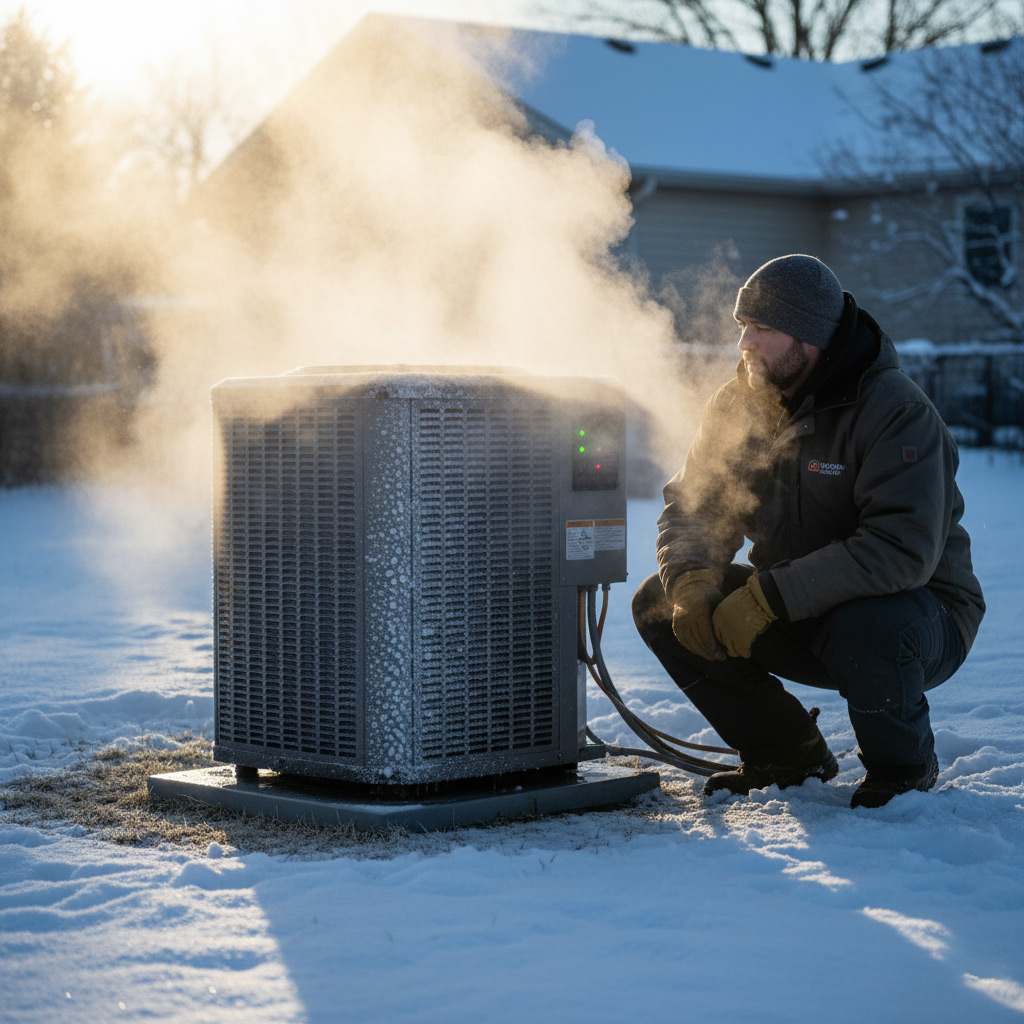
The Hidden Factor 90% of Contractors Miss (But Makes All the Difference)
While every HVAC installer in Corpus Christi talks about SEER ratings and warranty periods, there's one critical element that separates the pros from the amateurs: static pressure optimization. Most contractors slap in units with zero thought about airflow dynamics, then wonder why compressors fail prematurely and homeowners complain about hot spots.
Here's what's really happening behind the scenes:
- Oversized ducts create low velocity airflow
- Undersized returns starve the system
- Cramped equipment rooms choke ventilation
- Flex duct runs sag like wet noodles
The Gulf Coast's brutal humidity means your AC runs longer cycles, and poor static pressure forces the unit to work 30% harder than designed. That extra strain doesn't just spike your energy bills – it systematically destroys components from the inside out.
Smart homeowners demand manual D calculations before installation. This engineering calculation maps your home's exact airflow requirements room by room. When your contractor's eyes glaze over at this request, you've just dodged a bullet.
Real coastal HVAC pros carry manometers to test static pressure during commissioning. They'll verify every supply register and return grille performs within specifications. This single step can extend your system's lifespan by 5-7 years in our salt-air environment.
Case Study: How a Portland Elementary School Beat the Odds
The city of Portland may be over 2,000 miles away from Corpus Christi, but a recent case study of an elementary school's HVAC installation offers valuable insights for coastal Texas homeowners. This school's system was failing every 5-7 years, resulting in massive replacement costs and disruptions to the learning environment. The school's administrators decided to try a different approach.
The new system was designed with coastal-friendly components, including stainless steel coils and specialized corrosion-resistant materials. Some key features of the installation included:
- High-velocity airflow to reduce humidity and prevent moisture buildup
- A customized maintenance schedule to ensure the system was regularly inspected and cleaned
- Air purification systems to remove salt air and other pollutants from the air
The results were impressive: the new system has been running for over 15 years with minimal maintenance costs and zero major repairs. The school's administrators report a significant reduction in energy costs and a much healthier indoor air environment for students and staff. This case study offers a powerful example of how a well-designed and well-maintained HVAC system can make all the difference in a coastal environment.
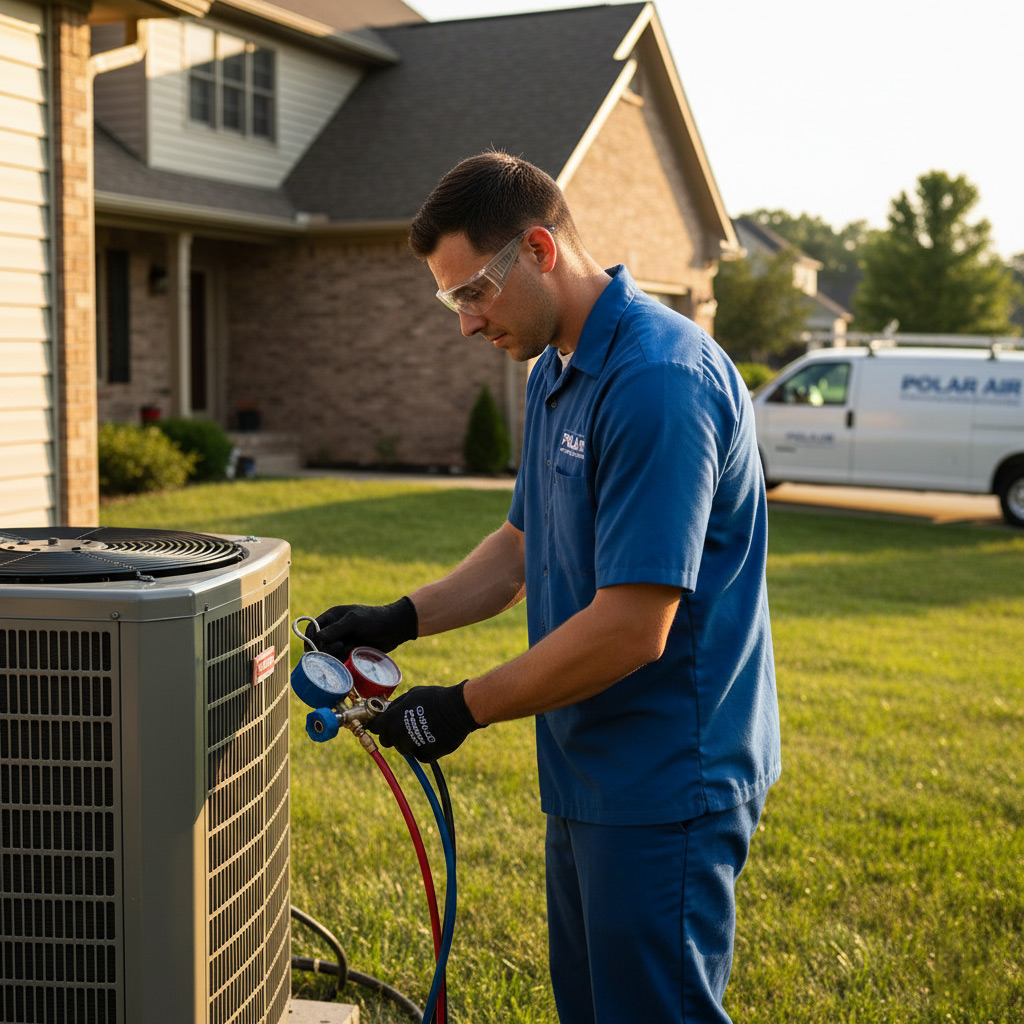
The Secret Weapon: HVAC Components Engineered for Coastal Warfare
When it comes to withstanding the harsh coastal climate of Corpus Christi, not all HVAC components are created equal. To build a system that can thrive in this environment, you need parts that are specifically designed to resist corrosion and withstand the constant barrage of salt air and humidity.
The right components can make all the difference between a system that lasts 20 years and one that needs to be replaced in 10. Some key features to look for include:
- Coated coils that prevent rust and corrosion
- Stainless steel parts that can withstand the harsh salt air
- Drainage systems that prevent water buildup and reduce the risk of mold and mildew
A system built with these components can withstand the toughest conditions and provide reliable comfort for years to come. By choosing the right parts, you can avoid the costly repairs and replacements that come with using standard components in a coastal climate.
Insider's Checklist: 7 Questions to Ask Before Signing Any HVAC Contract
Before you commit to a new HVAC system, it's crucial to separate the pros from the amateurs. You need to ask the right questions to ensure you're getting a system that's built to last in Corpus Christi's harsh coastal climate. Don't let them sweet-talk you into a subpar system - instead, grill them with these essential questions.
Know What You're Getting
When evaluating potential HVAC contractors, consider the following:- What type of equipment do you recommend for my specific climate and home size?
- Can you provide a detailed breakdown of the installation process and timeline?
- What kind of warranty and maintenance support do you offer?
It's also important to read the fine print and understand what's included in the contract. Look for any hidden fees or clauses that could leave you with unexpected expenses down the line. By asking the right questions and doing your due diligence, you can avoid costly mistakes and find an HVAC system that will keep you cool and comfortable for years to come.
Summary
When it comes to HVAC Installation, Corpus Christi homeowners need to be aware of the unique challenges posed by the coastal climate. The city's humid and salty air can wreak havoc on standard HVAC systems, leading to premature failure and costly repairs. To avoid these issues, it's essential to choose a system that's specifically designed to withstand the local conditions.
The key to a successful installation is to focus on the quality of the components and the expertise of the installer. A good HVAC system should be able to handle the extreme temperatures and humidity levels found in Corpus Christi, and the installer should have the knowledge and experience to ensure that the system is properly sized and configured for the home. Some factors to consider include:
- Air handlers that can withstand the corrosive effects of salt air
- Condenser coils that are designed to resist corrosion and minimize maintenance
- Thermostats that can accurately control the temperature and humidity levels in the home
People Also Ask
What makes Corpus Christi's climate so challenging for HVAC systems?
Corpus Christi's coastal climate is particularly harsh on HVAC systems due to the high levels of salt and moisture in the air, which can cause corrosion and damage to standard systems. This unique climate requires specialized HVAC systems that can withstand the salty air and humidity. Regular maintenance is also crucial to extend the lifespan of the system.How can I ensure my HVAC system is installed correctly in Corpus Christi?
To ensure correct installation, it's essential to hire a reputable and experienced contractor who is familiar with Corpus Christi's climate and its effects on HVAC systems. They should use high-quality, corrosion-resistant materials and follow proper installation procedures. Additionally, a thorough inspection of the system should be performed after installation to ensure it's working efficiently.What are the most common mistakes made during HVAC installation in Corpus Christi?
The most common mistakes made during HVAC installation in Corpus Christi include using standard systems not designed for coastal climates, improper sizing of the system, and inadequate protection against corrosion. These mistakes can lead to premature system failure, increased energy bills, and costly repairs. It's crucial to work with a knowledgeable contractor who can avoid these pitfalls.Can a standard HVAC system be modified to withstand Corpus Christi's coastal climate?
While it's possible to modify a standard HVAC system to make it more resistant to Corpus Christi's climate, it's often more cost-effective to install a system specifically designed for coastal areas. These systems are engineered with corrosion-resistant materials and features that can withstand the harsh salt air and humidity. A qualified contractor can help determine the best solution for your specific needs.How often should I maintain my HVAC system in Corpus Christi's coastal climate?
In Corpus Christi's coastal climate, it's recommended to maintain your HVAC system at least twice a year, once before the cooling season and once before the heating season. Regular maintenance should include cleaning, inspecting, and replacing parts as needed to prevent corrosion and ensure the system is working efficiently. This can help extend the lifespan of the system and prevent costly repairs.
Corpus Christi HVAC is a trusted provider of heating and cooling solutions, with a team of experienced technicians dedicated to delivering reliable and efficient services to homeowners and businesses in Corpus Christi, TX. With extensive knowledge of the local climate and its unique challenges, they specialize in installing, maintaining, and repairing a wide range of HVAC systems. Corpus Christi HVAC is committed to helping the community stay comfortable and energy-efficient throughout the year.
Need HVAC?
We deliver efficient and reliable solutions in Corpus Christi, TX and surrounding areas (78401, 78411, 78413) with a focus on achieving timely results. Our services are designed to help clients achieve their goals quickly and effectively.
Request Quick Quote