
You’re enjoying a cozy evening on Padre Island Drive when your heater sputters and dies. Outside, a rare Gulf Coast chill is setting in—and now your family’s warmth depends on a piece of equipment you’ve barely thought about since last winter. Sound familiar?
Most homeowners treat their heating system like a fire extinguisher: out of sight, out of mind until an emergency hits. But here in Corpus Christi, where salty air and humidity wage a quiet war on HVAC units year-round, that neglect turns into expensive headaches. Furnaces choke on corrosion, heat exchangers crack under stress, and suddenly you’re facing a $1,200 repair bill instead of a $90 tune-up.
This isn’t about scaring you into a service plan. It’s about giving you something better: the straightforward steps to protect your comfort and your wallet. If you’re ready to stop gambling with Corpus Christi weather, let’s dive into what your heater really needs to survive our unique coastal climate.

How Corpus Christi's Coastal Climate Wreaks Havoc on Your Heating System
That salty Gulf breeze you love during summer barbecues? It's secretly eating your heater alive. Corpus Christi's air carries microscopic salt particles that accelerate corrosion in ways内陆 climates never experience. Your furnace's heat exchanger, burner components, and electrical connections face a constant barrage that turns a 15-year lifespan into 8 years if you're lucky.
The humidity here creates a double-whammy most homeowners never consider. High moisture levels promote condensation inside your system, leading to:
- Rust formation in gas valves
- Electrical shorts in control boards
- Mold growth in air handlers
- Premature failure of ignition systems
Think about our "winter" temperature swings too. One week it's 75°F and sunny - the next, a cold front drops us to 40°F with howling north winds. Your heating system never gets a break. It sits dormant for months, then gets slammed with demand when you least expect it.
This constant expansion and contraction from temperature changes causes metal fatigue in heat exchangers. Combine that with salt corrosion eating away at protective coatings, and you've got a recipe for cracks that leak carbon monoxide into your home. Scary stuff when you realize most homeowners never check until the furnace quits completely.
Essential Heating System Components Every Homeowner Should Know
Think of your furnace like a car engine - you don't need to be a mechanic to understand the basics that keep it running. The heat exchanger is the heart of your system, a metal chamber where burners create flames that heat the air circulating through your ducts. When this component cracks (which happens more often in our salty air), deadly carbon monoxide can leak into your home.
Your system's brain is actually two parts working together. The thermostat tells your furnace when to kick on, but the control board executes those commands while monitoring safety switches. These switches include flame sensors that shut everything down if burners don't ignite properly - a critical fail-safe that prevents gas buildup.
Here's what moves all that warm air through your house:
- The blower motor - spins the fan that pushes heated air into your ductwork
- Ductwork - the hidden network of tubes running through walls and ceilings
- Air filter - catches dust and debris before they reach sensitive components
Ignore that filter for three months and you'll see your energy bills climb 15% while your system struggles to breathe. The filter isn't just cleaning your air - it's protecting your entire investment from the dirt that grinds down moving parts.
Finally, your vent connector pipe and flue handle the exhaust. That's where our Gulf Coast humidity really attacks. Moisture combines with combustion gases to create acidic condensation that eats through metal. If you've ever noticed rust around your furnace or water pooling nearby, you're seeing this battle firsthand.
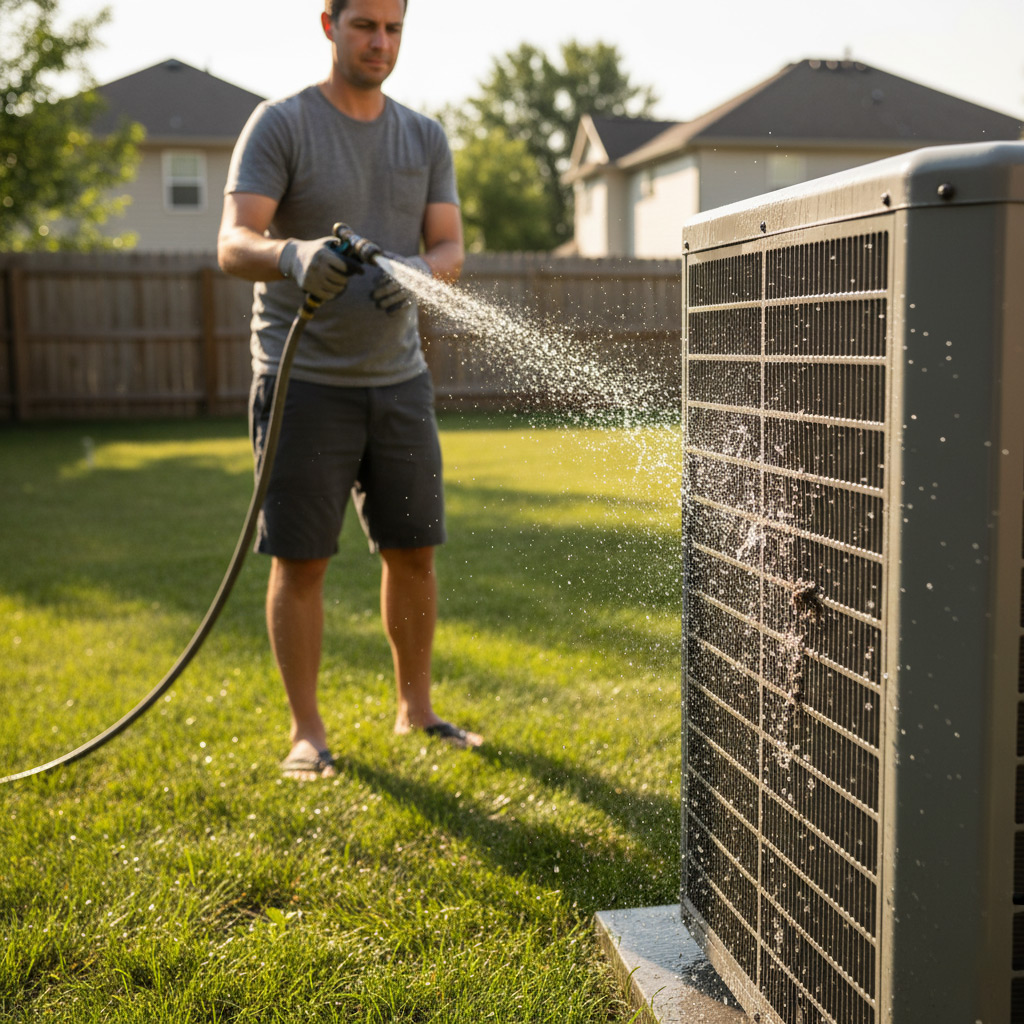
The Consequences of Neglect: Real Corpus Christi Repair Nightmares
Corrosion is a silent killer of heating systems in Corpus Christi. It seeps into the metal components, weakening them over time, and can cause catastrophic failures when you need your heater most. A single cracked heat exchanger can release carbon monoxide into your home, putting your family's health at risk.
A neglected heating system can lead to a domino effect of problems, including:
- Frozen coils that shut down the entire system
- Failed motors that require expensive replacements
- Leaky ducts that waste energy and drive up your bills
Some common repair nightmares in Corpus Christi include heater replacements that can cost upwards of $5,000, and emergency service calls that can add hundreds of dollars to your bill. By understanding the risks and taking proactive steps, you can avoid these costly surprises and keep your heating system running smoothly all winter long.
Don't let neglect turn into a financial disaster
- stay on top of your heater's maintenance needs to ensure a warm and safe home.Seasonal Maintenance Checklist: A Corpus Christi Homeowner's Action Plan
To keep your heating system running smoothly, you need to stay on top of maintenance. Preventive care is key, and that's why we've put together a simple checklist to follow. This will help you avoid costly repairs and ensure your home stays warm and cozy all winter long.
A seasonal tune-up is a must, and it should include:
- Inspecting and cleaning the furnace and heat exchanger
- Checking for leaks in the ductwork
- Replacing the air filter
Additionally, you should also make sure to check your thermostat regularly. This includes:
- Testing the temperature settings
- Checking the battery levels
- Ensuring it's properly calibrated
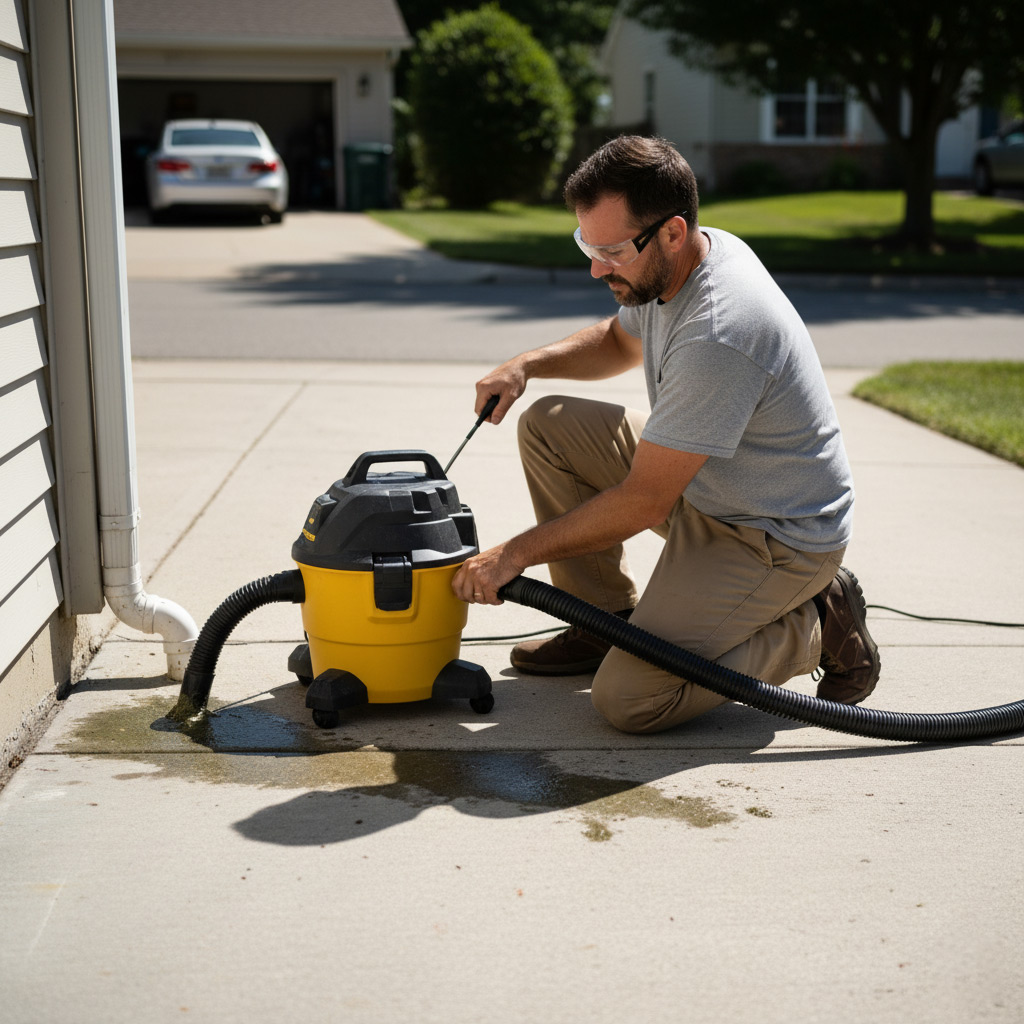
Case Study: How Preventive Care Saved a Padre Island Home from Costly Winter Breakdown
A homeowner on Padre Island, let's call her Sarah, was facing a common problem: her heating system was on its last legs. She had been putting off maintenance for years, and now her furnace was making strange noises and consuming more energy than usual. A routine inspection revealed a cracked heat exchanger, which could have led to a carbon monoxide leak if left unchecked.
The solution was a preventive maintenance plan that included regular tune-ups, filter replacements, and inspections. By addressing these issues proactively, Sarah was able to avoid a costly breakdown and save over $1,000 in repair costs. Some key aspects of her plan included:
- Annual furnace inspections to catch potential problems early
- Regular filter replacements to improve airflow and reduce energy consumption
- Inspecting and cleaning the condensate drain line to prevent water damage
By taking a proactive approach to heating system maintenance, Sarah was able to enjoy a warm and cozy winter without the stress of unexpected breakdowns. Her story serves as a testament to the importance of staying on top of heating system maintenance, especially in Corpus Christi's unique coastal climate. With the right plan in place, homeowners can protect their investment and avoid costly repairs down the line.
When to Call Professionals vs. What You Can Handle Yourself
As a homeowner, it's essential to know when to tackle heating system issues on your own and when to call in the experts. Preventive maintenance is key, but some tasks are better left to the professionals. For instance, if you notice a musty smell or mold growth around your heating system, it's best to have a professional inspect and clean the area to prevent further damage.
A good rule of thumb is to handle routine tasks like filter replacements and basic cleaning on your own. However, if you're dealing with more complex issues like:
- Electrical problems
- Gas leaks
- Cracked heat exchangers
DIY vs. Professional: Know the Difference
Some tasks, like inspecting and adjusting your thermostat, can be done on your own with a little research and patience. However, if you're unsure about any aspect of your heating system, it's always best to err on the side of caution and call a professional. Remember, a small investment in preventive maintenance can save you from costly repairs down the line.
Summary
Now that we've covered the importance of Heating System Maintenance in Corpus Christi's unique coastal climate, it's time to put your knowledge into action. By following the seasonal maintenance checklist and being proactive about your heating system's care, you can avoid costly repairs and ensure your home stays warm and cozy all year round. This is especially crucial in a city where corrosion and humidity can wreak havoc on your equipment.
Key Takeaways
To keep your heating system in top shape, remember to:- Check your filter every month
- Schedule a professional tune-up at least once a year
- Keep an eye out for signs of corrosion and wear
Whether you're a seasoned homeowner or a new resident of Corpus Christi, taking care of your heating system is crucial to your comfort and your wallet. By prioritizing maintenance and being mindful of the unique challenges posed by our coastal climate, you can stay ahead of the game and avoid costly repairs. So why wait? Start taking control of your heating system's care today and enjoy a warmer, more comfortable home for years to come.
People Also Ask
What are the most common heating system issues in Corpus Christi's coastal climate?
The most common heating system issues in Corpus Christi's coastal climate include corrosion, rust, and damage from saltwater and high humidity, which can lead to costly repairs. Regular maintenance can help prevent these issues. Homeowners should prioritize inspections and cleaning to ensure their heating system runs efficiently.How often should I schedule heating system maintenance in Corpus Christi?
It is recommended to schedule heating system maintenance in Corpus Christi at least once a year, preferably before the winter season. This ensures that your system is running efficiently and effectively, and helps prevent breakdowns during the cold winter months. Regular maintenance can also help extend the lifespan of your heating system.Can I perform heating system maintenance tasks myself, or should I hire a professional?
While some basic maintenance tasks can be performed by homeowners, such as changing filters and inspecting for damage, more complex tasks require professional expertise. It is best to hire a professional HVAC technician to perform tasks such as cleaning and inspecting the system, and making repairs. This ensures that the job is done safely and correctly.What are the consequences of neglecting heating system maintenance in Corpus Christi?
Neglecting heating system maintenance in Corpus Christi can lead to costly repairs, increased energy bills, and even safety hazards such as carbon monoxide leaks. Regular maintenance can help prevent these consequences and ensure that your heating system runs efficiently and effectively. By prioritizing maintenance, homeowners can save money and stay safe.How can I ensure my heating system is ready for the winter season in Corpus Christi?
To ensure your heating system is ready for the winter season in Corpus Christi, schedule a maintenance inspection with a professional HVAC technician. They will inspect and clean the system, check for damage, and make any necessary repairs. Additionally, make sure to change your filters regularly and inspect your system for any signs of damage or wear.
Corpus Christi HVAC is a trusted provider of heating and cooling solutions, serving the Corpus Christi community with expertise and dedication. With years of experience in the industry, their team is well-versed in addressing the unique climate control needs of South Texas homes and businesses. Corpus Christi HVAC is committed to delivering reliable and efficient services to their neighbors in Corpus Christi and surrounding areas.
Need HVAC?
We deliver efficient and reliable solutions in Corpus Christi, TX and surrounding areas (78401, 78411, 78413) with a focus on achieving timely results. Our services are designed to help clients achieve their goals quickly and effectively.
Request Quick Quote