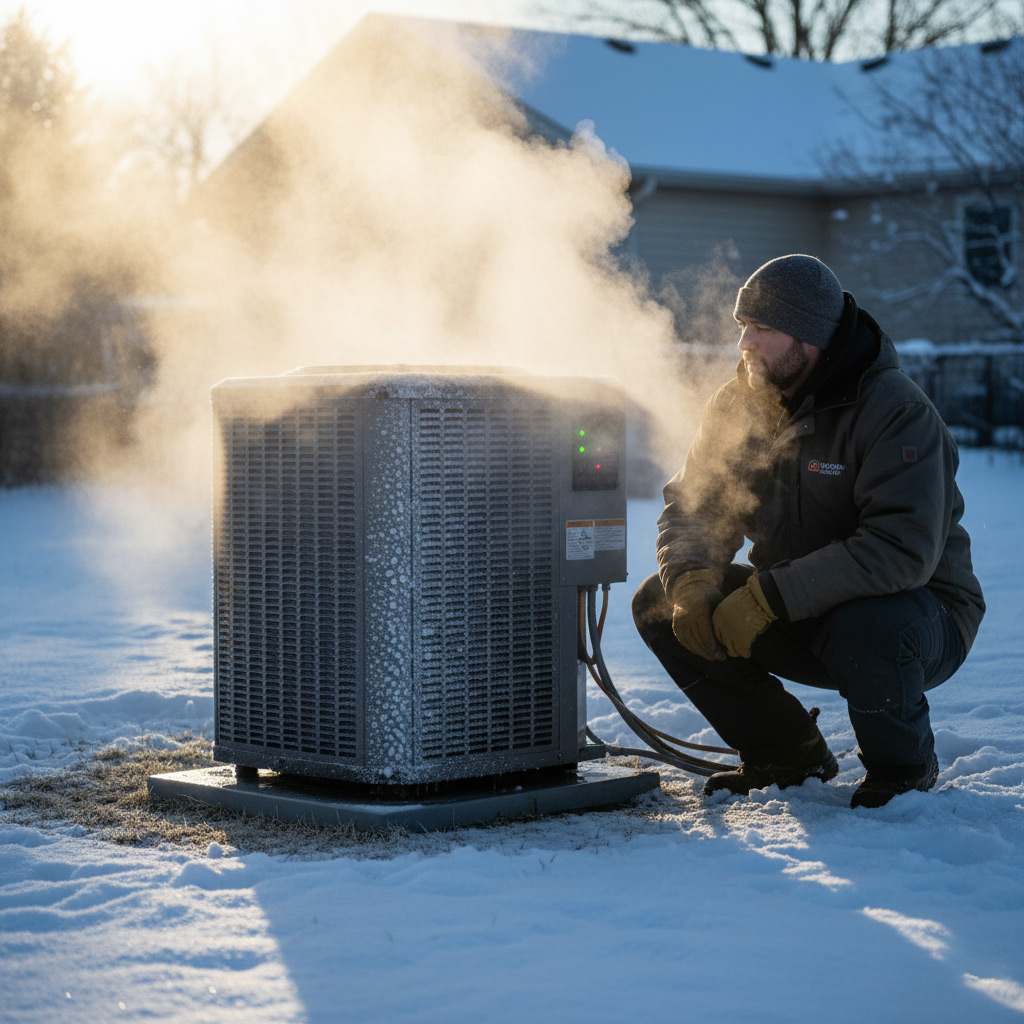
Your furnace just quit at 8 PM on a Tuesday, and Corpus Christi's "winter" decided to show up with a 40-degree night. You're Googling repair tips while your family huddles under blankets, and every result sounds like it was written by someone who's never touched a wrench.
Most furnace repair guides read like engineering manuals translated through three languages. They throw around terms like "heat exchanger" and "flame sensor" without explaining why yours just went haywire, or they skip the exact steps that separate a quick fix from a $1,200 emergency call.
The truth is, 80% of furnace breakdowns boil down to five simple problems you can diagnose in minutes. You don't need to be an HVAC tech to figure out why your system's blowing cold air or shutting off randomly. But you do need someone to cut through the noise and give you the straight talk.
I've been crawling inside furnaces across Corpus Christi for over a decade, and I've seen the same mistakes kill systems that could've lived another five years. Here's what actually works when your gas furnace acts up, and what will definitely make things worse.
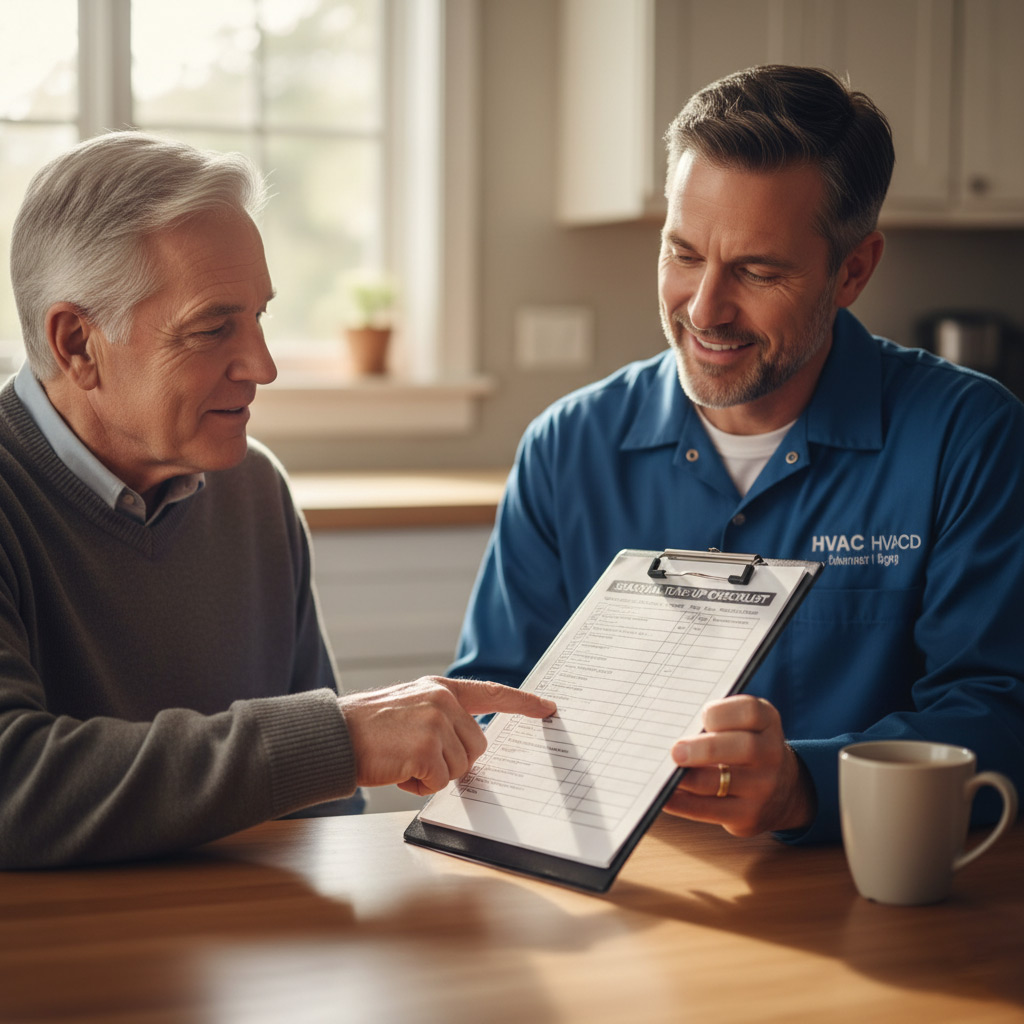
The 5 Most Common Gas Furnace Problems Every Corpus Christi Homeowner Faces
Let's cut right to the chase. After twelve years of answering midnight emergency calls in Corpus Christi, I can tell you exactly what's killing your furnace right now. These aren't wild guesses or textbook theories – they're the real-world nightmares that show up when you least expect them.
Dirty filters choke your system harder than a kid swallowing a chicken nugget whole. I see it weekly. Homeowners change filters like they're avoiding taxes – never when they should. Your furnace gasps for air, overheats, and shuts down. The fix? Swap that filthy thing every 30 days during winter. It costs $8 and takes 47 seconds.
Next up: thermostat wars. Your spouse cranks it to 78°F, you drop it to 68°F when they're not looking. The furnace gets confused, cycles on and off like a strobe light, and eventually throws error codes that mean nothing to anyone except HVAC technicians who charge $150 just to flip a switch.
Here's what else destroys furnaces faster than a Category 5 hurricane:
- Faulty flame sensors that shut down the whole system because they can't detect fire
- Worn-out ignitors that click endlessly without lighting the burners
- Clogged condensate drains that flood your furnace and trip safety switches
- Loose electrical connections causing random shutdowns like a bad internet signal
The pattern is predictable. You ignore the small warning signs – strange noises, longer heating cycles, rooms that never warm up – until everything stops working completely. That's when you panic, call three different companies, and end up paying whatever they demand because your teeth are chattering.
But here's the secret most repair guys won't tell you: 90% of these disasters start with simple maintenance neglect. You don't need a degree in mechanical engineering to prevent them. You need someone to show you exactly what to check, in what order, and what to do when things go wrong.
That's exactly what we're doing next. Put down the wrench for now – we're not done yet.
Safety First: What to Check Before You Touch Anything
Stop. Right there. Before you even think about popping open that furnace panel, let's get one thing straight: gas furnaces can kill you if you treat them like a toaster. I've seen guys who've been doing HVAC for 20 years still double-check these basics because they know the stakes.
The absolute first thing your eyes should hit isn't the furnace at all. It's that little shutoff valve right next to your gas meter. If you smell anything that reminds you of rotten eggs or sulfur, or if you hear hissing near the line, turn that valve perpendicular to the pipe and call the gas company. Don't pass Go, don't collect $200.
Next, check your carbon monoxide detectors. I'm talking actually press the test button and make sure they're working. Bad heat exchangers pump CO like a chimney—and you can't smell it. If your alarm's dead or you don't have one within 15 feet of bedrooms, go buy one today. Seriously. We find busted exchangers at least twice a month during heating season.
If everything checks out so far, kill the power at the breaker before opening the furnace. Not just the wall switch—flip the breaker in your electrical panel. Electricity plus gas equals bad news. And please, for the love of God, don't be the person who starts taking things apart in flip-flops on a wet floor.
Here's what you need to verify before touching anything inside the unit:
- Gas valve is off (unless you're testing, then relight after inspection)
- Carbon monoxide detectors are functional
- Power is completely off at the breaker panel
- You've got a fire extinguisher within arm's reach
- Someone else is home and knows you're working on the furnace
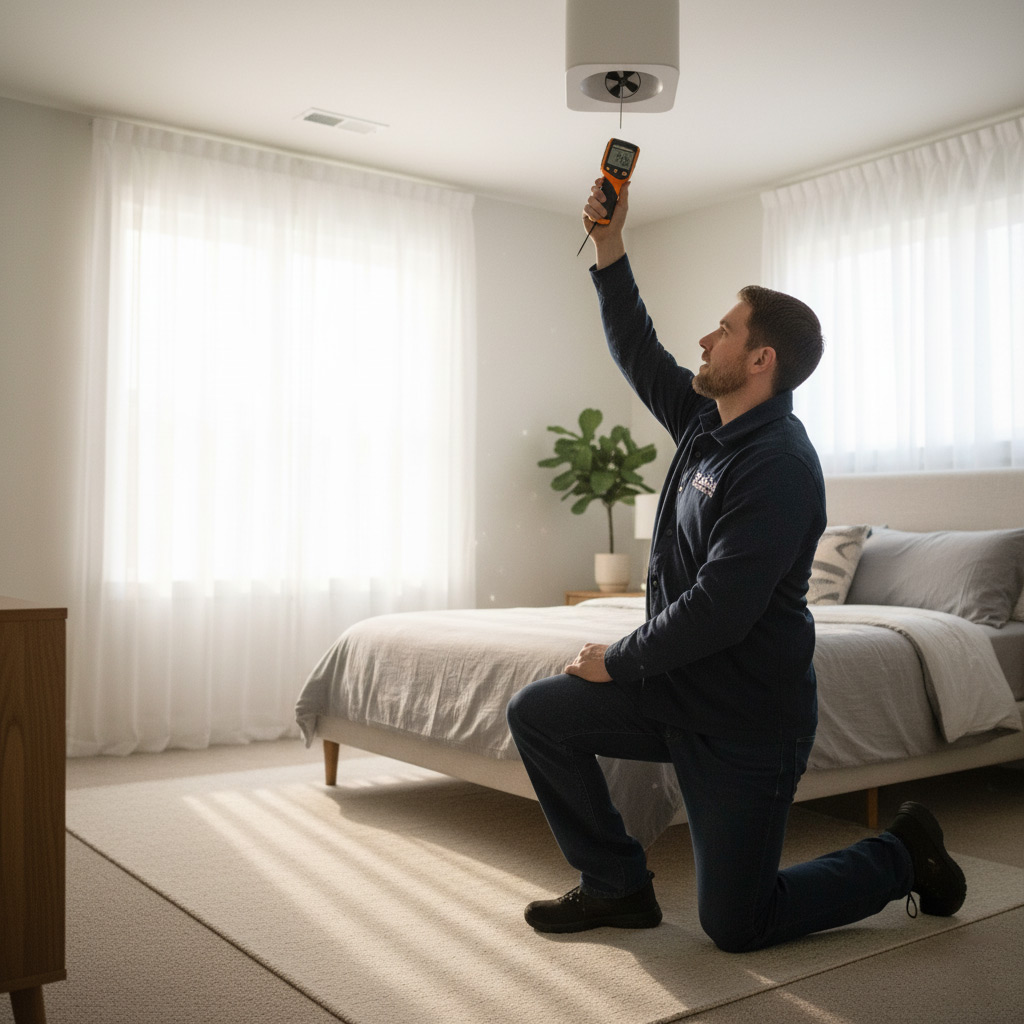
Step-by-Step Troubleshooting: Diagnosing Your Furnace in 15 Minutes
To get started, make sure you've got a firm understanding of your furnace's basic components. You don't need to be an expert, but knowing what the thermostat, filter, and igniter do will save you a lot of headache. Take a few minutes to familiarize yourself with these key parts.
A good place to start is by checking the obvious:
- Is the power on?
- Is the thermostat set to "heat"?
- Are the circuit breakers tripped?
Next, you'll want to investigate the furnace itself. Look for signs of wear and tear, like rusted or corroded parts, and check the filter for blockages. A clogged filter can cause your furnace to work harder, leading to premature wear and potentially even a breakdown. Check your filter and replace it if necessary – it's a simple fix that can save you a lot of trouble down the line.
When to Call a Pro: Red Flags That Require Expert Intervention
Let's face it, some furnace issues are beyond DIY repair. If you notice any of the following red flags, it's time to call in a professional:
- Gas leaks or strange odors
- Water leaks around the furnace
- Cracks in the heat exchanger
A faulty furnace can be a major fire hazard, especially if it's not installed or maintained correctly. If you're unsure about any aspect of your furnace's operation, it's always best to err on the side of caution and call a professional. They will be able to diagnose the issue and provide a solution to get your furnace up and running safely.
Some other signs that you need expert help include:
- Unusual noises coming from the furnace
- Inconsistent heating or cold spots in your home
- Rising energy bills without a corresponding increase in usage
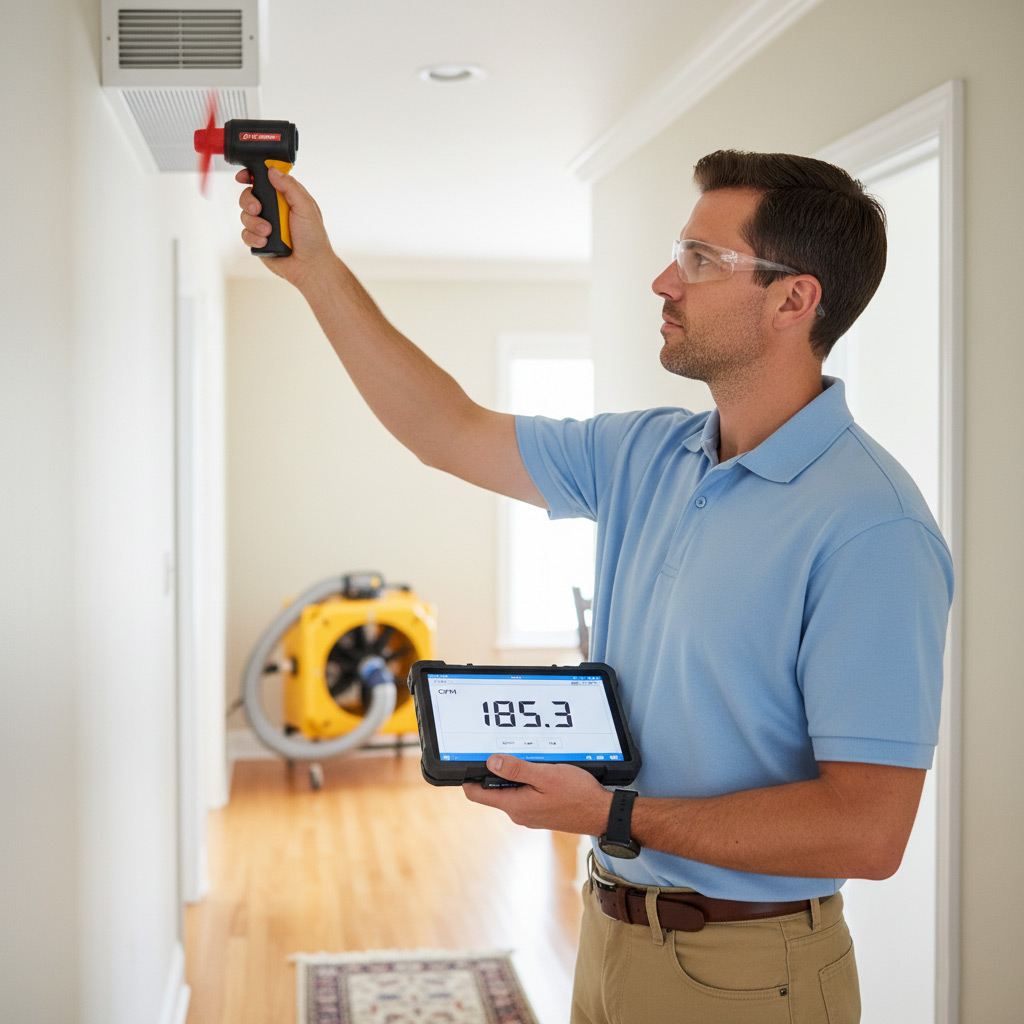
Case Study: How We Saved a Portland Elementary School $8,000 on Their Furnace System
A real-life example of our expertise is the Portland Elementary School, where we managed to save them a whopping $8,000 on their furnace system. This was achieved by conducting a thorough analysis of their existing system and identifying areas of inefficiency. Our team of experts worked closely with the school administration to implement a cost-effective solution that met their heating needs.
The school's furnace system was experiencing frequent breakdowns, resulting in disruptions to the learning environment. Our team quickly got to work, assessing the system and identifying the root causes of the problems. We found that the issues were due to a combination of factors, including:
- Poor maintenance
- Inadequate insulation
- Outdated equipment
Our solution involved implementing a regular maintenance schedule, upgrading the insulation, and replacing outdated equipment with more energy-efficient models. The results were impressive, with the school seeing a significant reduction in their energy bills and a marked improvement in the overall performance of their furnace system. The $8,000 savings were a direct result of our expertise and commitment to providing effective solutions for our clients.
Maintenance Tips to Keep Your Gas Furnace Running All Winter
To keep your gas furnace running smoothly, it's essential to perform regular maintenance. This includes changing the air filter every 1-3 months, depending on usage. A dirty filter can reduce airflow and make your furnace work harder, leading to increased energy bills and potential breakdowns.
Pre-Season Checks
Before the cold weather sets in, make sure to inspect your furnace for any signs of wear and tear. Check for:- Loose connections
- Corrosion on the heat exchanger
- Dirty burners
Additionally, consider scheduling a professional tune-up every year to ensure your furnace is running at peak performance. A qualified technician can identify potential issues before they become major problems, saving you money and ensuring your family stays warm and safe all winter long. By following these maintenance tips, you can help extend the life of your gas furnace and avoid unnecessary repairs.
Last Thoughts
As you wrap up your DIY furnace repair journey, remember that prevention is the best cure. Regular maintenance can save you from the headache of a broken furnace in the dead of winter. By checking your air filters and thermostat batteries regularly, you can avoid unnecessary repairs and keep your furnace running smoothly.
For more complex issues, it's essential to know when to call a professional. If you're not comfortable with DIY repairs or if the problem persists after troubleshooting, don't hesitate to reach out to an HVAC expert who can provide you with the necessary guidance and support. Some common issues that require professional attention include:
- Cracked heat exchangers
- Malfunctioning igniter
- Gas leaks
By being proactive and taking care of your furnace, you can ensure a warm and comfortable home for you and your family. Remember to stay safe, and don't hesitate to seek help when you need it. With the right knowledge and support, you can keep your furnace running efficiently and effectively all winter long.
People Also Ask
What are the common signs that my gas furnace needs repair?
The common signs that your gas furnace needs repair include unusual noises, uneven heating, and increased energy bills. If you notice any of these signs, it's essential to address the issue promptly to avoid further damage. A professional technician can help you diagnose and fix the problem.How often should I schedule gas furnace maintenance?
It's recommended to schedule gas furnace maintenance at least once a year, preferably before the winter season. Regular maintenance can help prevent breakdowns, improve efficiency, and extend the lifespan of your furnace. A well-maintained furnace can also help reduce energy costs and ensure a safe and warm home.Can I repair my gas furnace myself, or do I need to hire a professional?
While some minor issues can be resolved with DIY repairs, it's generally recommended to hire a professional for gas furnace repairs. A professional technician has the necessary training, experience, and equipment to diagnose and fix complex problems safely and efficiently. Attempting to repair a gas furnace yourself can be dangerous and may void the warranty.What are the benefits of regular gas furnace maintenance?
Regular gas furnace maintenance can help improve the efficiency and performance of your furnace, reduce energy costs, and extend its lifespan. It can also help prevent breakdowns, ensure a safe and warm home, and reduce the risk of carbon monoxide poisoning. By scheduling regular maintenance, you can enjoy a comfortable and healthy home while also saving money on energy bills.How long does a typical gas furnace repair take to complete?
The time it takes to complete a gas furnace repair can vary depending on the complexity of the issue and the availability of parts. On average, a routine repair can take anywhere from 30 minutes to several hours to complete. In some cases, the repair may require multiple visits or specialized equipment, which can extend the completion time. A professional technician can provide a more accurate estimate of the time required to complete the repair.
Corpus Christi HVAC is a trusted provider of heating and cooling solutions, with a team of experienced technicians serving the Corpus Christi community. With extensive knowledge of the local climate and its effects on HVAC systems, they specialize in providing effective and efficient solutions for homes and businesses. Corpus Christi HVAC is committed to delivering reliable and professional service to their neighbors in Corpus Christi, TX.
Need HVAC?
We deliver efficient and reliable solutions in Corpus Christi, TX and surrounding areas (78401, 78411, 78413) with a focus on achieving timely results. Our services are designed to help clients achieve their goals quickly and effectively.
Request Quick Quote